Summary: Why does video surveillance matter for CTPAT-aligned cross-border logistics?
It gives logistics teams better visibility into facilities, cargo movement, and physical security events while strengthening incident documentation and accountability. The right surveillance strategy helps organizations identify vulnerabilities, investigate issues faster, and support stronger security practices across the supply chain.
CTPAT and Physical Security in Cross‑Border Logistics
Operating in cross‑border logistics, transportation, and warehousing, security has become a foundational part of doing business - not just an operational concern. Programs like the U.S. Customs and Border Protection’s Customs Trade Partnership Against Terrorism (CTPAT) reinforce the growing emphasis on supply chain integrity, physical security, and risk awareness across the logistics ecosystem.
What Is CTPAT and Why It Matters to Logistics Operators
CTPAT is a voluntary partnership between private industry and CBP designed to strengthen supply chain security and improve the efficiency of cross‑border trade. Organizations that participate are expected to demonstrate sound security practices across their operations, including how facilities, cargo, and personnel are protected. For many logistics operators, this directly influences inspection frequency, border flow, and confidence among customers and partners.
Physical Security Expectations Under CTPAT
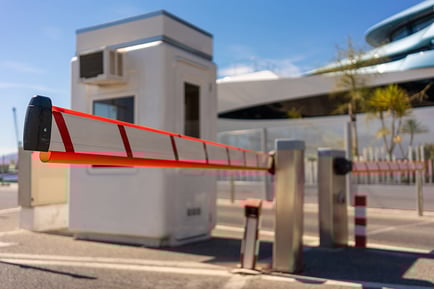
One area consistently highlighted within CTPAT guidance is physical security. Facilities involved in cross‑border operations are expected to maintain clear visibility and control across yards, docks, cargo handling areas, and access points. Video surveillance plays an important role in supporting these expectations - not as a standalone requirement, but as a practical tool that reinforces accountability, documentation, and situational awareness.
Why Traditional Surveillance Falls Short in High‑Traffic Logistics Environments
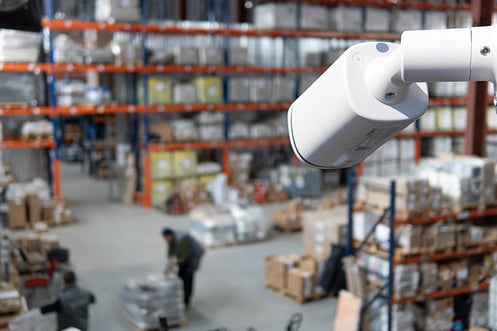
In high‑traffic logistics environments, traditional camera systems often struggle to keep pace with operational demands. Limited coverage, manual footage retrieval, and disconnected systems can make it difficult to investigate incidents or demonstrate readiness when questions arise. As a result, many organizations are reassessing how their physical security infrastructure supports both daily operations and broader risk management goals.
How Cloud‑Managed Video Surveillance Supports Supply Chain Security
Modern, cloud‑managed video surveillance platforms offer a more flexible and scalable approach. Continuous recording, centralized access, and advanced search capabilities allow operations teams to monitor critical areas, respond efficiently to incidents, and retain video evidence when needed. These capabilities are particularly valuable in environments where cargo integrity, access control, and operational continuity are essential.
Designing Physical Security Around Real‑World Logistics Operations
At Bridgehead IT, we work with logistics and transportation organizations to design and support physical security environments that align with real‑world operational needs. Our focus is not on compliance for its own sake, but on helping organizations improve visibility, reduce risk, and maintain confidence across their operations. When thoughtfully implemented, physical security becomes an operational asset that supports efficiency, trust, and long‑term resilience.
Preparing for the Future of Cross‑Border Trade
As cross‑border trade continues to evolve, organizations that invest in security visibility and operational readiness are better positioned to move freight efficiently, protect their assets, and sustain strong partnerships throughout the supply chain.
Where to Start When Evaluating Video Surveillance for Logistics Facilities
If you’re evaluating how physical security fits into your broader technology or operational strategy, understanding how modern video surveillance supports logistics environments is a valuable place to start.